



California is one of the most competitive advertising markets in the world, shaped by technology companies, global brands, fast-growing startups, and diverse consumer behavior. Choosing the right advertising agency in California is not only a creative decision but a strategic business move that directly affects visibility, lead quality, and long-term brand growth. Many businesses struggle to understand what agencies actually do, how they differ from one another, and which type of partner fits their goals, budget, and industry. This guide is written to remove that confusion. It explains how advertising agencies operate within California’s unique business ecosystem, what services truly matter, and how decision-makers can evaluate agencies with confidence. The focus is practical, experience-driven, and grounded in how real companies hire and work with agencies today. By the end, readers will have the clarity needed to make informed decisions without relying on hype, rankings alone, or vague marketing claims.
California sits at the center of global advertising, creativity, and innovation. From Silicon Valley’s technology-driven growth to Los Angeles’ creative and media influence, the state brings together industries that shape how brands communicate worldwide. This scale and diversity create opportunity, but they also make agency selection far more complex than many businesses expect. Companies are often faced with hundreds of options that look similar on the surface, use the same language, and promise comparable outcomes. As a result, choosing an advertising agency in California becomes confusing, especially for decision-makers who are not deeply involved in marketing operations.
One of the most common challenges is understanding the difference between large, well-known agencies and smaller, specialized firms. Big-name agencies may offer scale and recognition, while right-fit agencies often provide focus, flexibility, and closer collaboration. The correct choice depends less on reputation and more on alignment with business goals, internal resources, and growth stage.
This guide is designed to bring clarity to that decision. It explains how California’s advertising landscape works, how agencies differ in structure and capability, and what practical factors matter when selecting a partner. The goal is to help businesses make informed, confident decisions based on fit, not assumptions.

What Is an Advertising Agency in California?
An advertising agency is a professional firm that plans, creates, and manages paid promotional campaigns for businesses. Its primary role is to help brands reach the right audience through strategic messaging, creative development, and media placement. In simple terms, an agency connects a company’s product or service with potential customers using structured communication channels that generate awareness, engagement, and measurable results across modern paid advertising channels.
Within the California market, the role of an agency extends beyond basic campaign execution. The state’s economy includes technology startups, entertainment brands, healthcare systems, e-commerce companies, and global enterprises. This diversity requires agencies to understand multiple industries, regional demographics, cultural trends, and highly competitive digital ecosystems. Agencies operating here must combine creative strength with performance data, because clients expect both brand impact and clear return on investment in a market shaped by innovation hubs like Silicon Valley.
There is also an important distinction between traditional and digital advertising. Traditional advertising includes television, radio, print publications, outdoor billboards, and direct mail. These channels focus on broad audience reach and long-term brand visibility. Digital advertising, on the other hand, includes search engine marketing, paid social campaigns, display ads, streaming platforms, and data-driven retargeting through platforms such as Google Ads and Meta advertising tools. Digital channels allow precise targeting, real-time analytics, and ongoing performance optimization. Most modern agencies integrate both approaches depending on business goals and audience behavior.
California agencies often differ from those in other states due to higher competition, constant innovation exposure, and access to elite creative talent. The proximity to Hollywood and the global media industry influences how campaigns are conceptualized and executed. As a result, agencies here tend to adopt emerging technologies faster, emphasize brand storytelling more deeply, and operate within a more performance-driven, data-accountable environment.
Why California Is a Global Hub for Advertising Agencies
California has developed into a global center for advertising because it combines technology, media, entrepreneurship, and large-scale enterprise activity within one economy. Few regions in the world offer this concentration of innovation and brand influence in a single market.
Silicon Valley plays a major role in shaping how agencies operate. Technology companies constantly introduce new platforms, data tools, and consumer behavior models. This environment forces agencies to understand analytics, automation, audience segmentation, and performance tracking at a deeper level than in many other states. Campaigns are expected to be measurable, optimized, and aligned with real-time data. Agencies that cannot demonstrate strategic thinking and technical competence struggle to compete in this region.
At the same time, Hollywood and the broader creative industry influence storytelling standards. Film production, digital media, and entertainment branding have set a high bar for visual identity, narrative structure, and emotional engagement. Agencies in California are exposed to advanced creative talent, which shapes how campaigns are conceptualized and executed. The result is a market where creativity and performance are expected to work together.
California’s business landscape also includes high-growth startups and multinational corporations operating side by side. Startups demand rapid experimentation and scalable advertising systems, while enterprises require structured strategy, compliance awareness, and brand consistency. Agencies must adapt to both.
Because competition among agencies is intense, only firms that consistently deliver strategic clarity, creative depth, and measurable results maintain long-term relevance. This competitive pressure naturally raises the overall quality standard across the state’s advertising industry.
Types of Advertising Agencies in California
California’s advertising landscape includes multiple agency models, each designed to serve different business needs. Understanding these distinctions is critical before shortlisting potential partners. The structure of an agency directly affects pricing, workflow, reporting, and long-term collaboration outcomes.
Full-Service Advertising Agencies
Full-service agencies provide end-to-end campaign management. They typically handle strategy development, creative production, media buying, branding, digital campaigns, and sometimes public relations. These agencies are structured to manage multi-channel campaigns under one umbrella, ensuring consistent messaging across platforms.
They are best suited for mid-sized businesses and enterprises that require coordinated campaigns across television, digital, social, and offline channels. Companies launching new products or expanding into competitive markets often benefit from this integrated model.
The main advantage is convenience and strategic alignment across departments. However, costs are generally higher, and smaller businesses may find the structure more complex than necessary.
Digital Advertising Agencies
Digital agencies focus primarily on online channels such as search engine marketing, paid social campaigns, display advertising, streaming platforms, and retargeting systems. Their strength lies in data-driven targeting and measurable performance metrics.
These agencies are ideal for e-commerce brands, SaaS companies, local service providers, and startups that rely heavily on online customer acquisition. They prioritize tracking, conversion optimization, and rapid testing cycles.
The benefit is precise audience targeting and measurable return on investment. The limitation is that offline branding or traditional media integration may be minimal or absent.
Creative & Branding Agencies
Creative agencies concentrate on brand identity, messaging, visual design, and campaign concepts. Their role is to shape how a company is perceived in the market. This often includes logo development, brand positioning, commercial production, and storytelling frameworks.
They work well for companies undergoing rebranding, launching new products, or entering competitive markets where differentiation is critical. The strength of this model is high-level creativity and strategic positioning.
The limitation is that performance marketing execution may require coordination with another agency.
Performance & Media Buying Agencies
Performance-focused agencies specialize in paid media optimization and budget efficiency. Their primary goal is measurable results such as leads, sales, or cost-per-acquisition targets. Media buying expertise allows them to negotiate placements, manage ad spend, and optimize campaigns in real time.
They are suitable for businesses with defined growth targets and clear conversion goals. The advantage is accountability and data transparency. The drawback is that brand storytelling may not receive equal emphasis.
Industry-Specific Advertising Agencies
Some agencies specialize in sectors such as healthcare, real estate, technology, automotive, or hospitality. They understand regulatory requirements, buyer psychology, and market dynamics specific to those industries.
These agencies are often the best choice for companies operating in complex or highly regulated sectors. Their expertise reduces onboarding time and improves campaign accuracy. However, their niche focus may limit broader creative experimentation outside their specialty.
Services Offered by Advertising Agencies in California
Advertising agencies in California typically offer a wide range of services designed to support both brand visibility and measurable growth. While the exact mix varies by agency type, most services fall into several core areas that work together to support campaign effectiveness.
Digital Advertising (Google, Meta, LinkedIn Ads)
Digital advertising focuses on placing paid messages across search engines and social platforms where audiences actively spend time. This includes search-based campaigns, social media ads, and professional network targeting. Agencies manage audience segmentation, bidding strategies, creative testing, and ongoing optimization. The purpose is not just exposure but controlled reach, relevance, and measurable outcomes based on user behavior and intent.

Creative Campaign Development
Creative development involves shaping the central idea behind a campaign. This includes defining the message, tone, visual direction, and format that align with brand positioning and campaign goals. In California’s competitive market, creative work must be clear, culturally aware, and adaptable across platforms. Agencies focus on concepts that communicate value quickly while remaining consistent across channels.
Branding & Visual Identity
Branding services address how a company presents itself visually and verbally. This includes logo systems, color palettes, typography, and brand guidelines that ensure consistency across advertising materials. Agencies approach branding as a long-term asset rather than a one-time design task. Strong visual identity supports recognition and trust, especially in crowded markets.
Media Planning & Buying
Media planning determines where, when, and how advertising budgets are allocated. Media buying involves negotiating placements and managing spend across digital, broadcast, print, and outdoor channels. Agencies analyze audience data, platform performance, and timing to maximize reach without unnecessary spend. This process is critical in California, where media costs are often higher than national averages.
Social Media Advertising
Social media advertising combines creative content with paid distribution across platforms such as Instagram, Facebook, LinkedIn, and emerging networks. Agencies manage audience targeting, creative adaptation, and performance tracking. The focus is on relevance and engagement rather than volume, ensuring ads appear in contexts that align with user interests and behaviors.
Video & Commercial Production
Video production includes short-form ads, brand videos, and broadcast-ready commercials. California agencies often have access to advanced production resources due to proximity to the entertainment industry. The goal is not cinematic quality alone, but clarity of message and alignment with distribution channels where the content will appear.
Data & Analytics Reporting
Analytics and reporting connect advertising activity to business outcomes. Agencies track impressions, engagement, conversions, and cost efficiency. More advanced reporting ties campaign data to revenue impact and customer acquisition metrics. This transparency allows businesses to adjust strategy based on evidence rather than assumptions.
How to Choose the Right Advertising Agency in California
Selecting the right agency requires more than reviewing portfolios or comparing pricing. In California’s competitive environment, the best outcomes come from alignment, clarity, and realistic expectations on both sides.
Industry Experience
Industry experience matters because advertising strategies vary significantly by sector. An agency that understands your market already knows common customer objections, buying cycles, compliance issues, and competitive pressure points. This reduces onboarding time and improves decision quality early in the engagement. While general experience is valuable, relevant industry exposure often leads to more accurate targeting and fewer strategic missteps.
Budget Compatibility
Budget alignment is not about choosing the cheapest option. It is about understanding how an agency allocates resources and whether that structure matches your financial reality. Some agencies are built for large retainers and long planning cycles, while others are optimized for lean budgets and faster execution. A mismatch often leads to under-delivery or constant scope friction. Clear discussions around fees, media spend, and expected outcomes are essential before moving forward.
Transparency & Reporting
Transparent agencies explain what they are doing, why they are doing it, and how success is measured. Reporting should focus on meaningful metrics rather than vanity numbers. Decision-makers should be able to understand performance trends without technical translation. Consistent reporting builds trust and allows campaigns to evolve based on evidence rather than assumptions.
Creative vs Performance Balance
Some agencies lean heavily toward creative expression, while others prioritize performance metrics above all else. The right balance depends on your goals. Brand-building initiatives require strong creative direction, while growth-focused campaigns demand disciplined optimization. Agencies that understand how to align creative messaging with measurable outcomes tend to deliver more sustainable results over time.
Local Market Understanding
California is not a single market. Consumer behavior in Los Angeles differs from San Francisco, San Diego, or inland regions. Agencies with local market awareness can tailor messaging, media placement, and timing more effectively. This nuance often separates average campaigns from high-performing ones.
Red Flags to Avoid
Common warning signs include vague promises, lack of clear process, unclear ownership of data, and resistance to performance accountability. Agencies that avoid specifics or rely heavily on reputation alone often struggle to deliver consistent results.
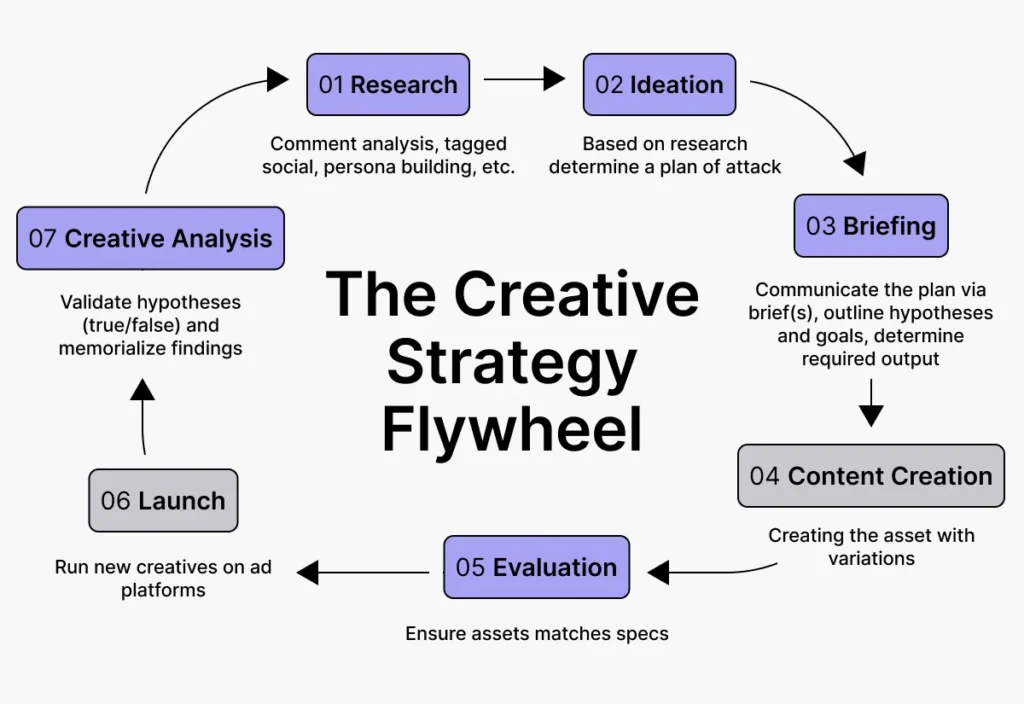
Top Advertising Agencies in California (By Category)
California’s advertising market includes a wide range of agencies operating at different scales and with different strengths. The agencies that perform well over time tend to be clear about their positioning, disciplined in execution, and realistic in how they align services with client needs. The categories below reflect how agencies are commonly evaluated rather than a strict ranking.
Leading Full-Service Advertising Agencies
Large full-service agencies typically manage integrated campaigns across digital, traditional media, creative production, and brand strategy. Firms such as BBDO, Ogilvy, and TBWA maintain strong operations in California, particularly in Los Angeles and San Francisco. Their services often include brand strategy, creative development, media planning, and cross-channel execution. These agencies are usually best suited for enterprise brands that require scale, consistency across markets, and access to extensive creative and strategic resources. The tradeoff is higher cost structures and less flexibility for smaller or fast-moving businesses.
Top Digital Advertising Agencies
Digital-focused agencies specialize in paid media, performance marketing, and data-driven customer acquisition. California is home to many firms that work heavily with technology companies, e-commerce brands, and SaaS platforms. Agencies such as Single Grain and Power Digital are known for combining analytics, creative testing, and conversion optimization. Their services often include search advertising, paid social campaigns, funnel optimization, and advanced reporting. These agencies are commonly based in San Diego, Los Angeles, and San Francisco and are well suited for businesses focused on measurable growth rather than broad brand awareness alone.
Creative & Branding Specialists
Creative and branding agencies focus on positioning, storytelling, and visual identity rather than ongoing media execution. California’s proximity to entertainment, design, and production talent supports agencies such as IDEO and R/GA. These firms work with companies that need differentiation, rebranding, or campaign concepts that set a long-term direction. Services typically include brand strategy, campaign ideation, design systems, and creative production. While their work strongly influences perception and recognition, performance execution is often handled by separate partners.
Emerging & Boutique Advertising Agencies
Boutique agencies and emerging firms operate with smaller teams, tighter focus, and more direct client involvement. These agencies often specialize in specific industries, regions, or service mixes such as paid social, local advertising, or startup growth campaigns. Many California-based boutique agencies serve small to mid-sized businesses that value responsiveness, flexibility, and hands-on collaboration. Services are usually streamlined, and decision-making is faster compared to large networks. While they may not offer the scale of global agencies, they often deliver strong alignment and practical execution when the fit is right.
Advertising Agency vs Marketing Agency in California
The terms advertising agency and marketing agency are often used interchangeably, but in practice they serve different roles within a business growth strategy. Understanding this distinction helps decision-makers avoid hiring the wrong type of partner for their objectives.
An advertising agency is primarily focused on paid promotion. Its core responsibility is to design, place, and optimize advertisements across specific channels. This includes search ads, social media advertising, display placements, video campaigns, broadcast media, and outdoor advertising. The success of an advertising agency is typically measured through reach, engagement, leads, conversions, and cost efficiency. When a business needs immediate visibility, product promotion, campaign execution, or short-term performance results, an advertising-focused partner is often the better choice.
A marketing agency operates at a broader strategic level. Marketing agencies are responsible for positioning, messaging, audience research, funnel development, content strategy, SEO, email marketing, website optimization, and long-term brand growth. Their work often spans multiple touchpoints beyond paid media and focuses on building sustainable demand over time. When a company needs brand clarity, customer journey alignment, organic growth systems, and long-term strategy, a marketing agency is usually the more appropriate partner.
In practical terms, an advertising agency is best when the goal is to promote a specific offer, scale paid acquisition, or support time-sensitive campaigns. A marketing agency is better when the business needs foundational strategy, consistent lead generation, and long-term visibility across channels. In California’s competitive environment, many businesses eventually require both functions working together.
This is why some companies choose a full-service approach, while others start with advertising and expand into broader marketing later. Businesses seeking a more comprehensive growth framework often explore working with a full-service marketing agency in California, where advertising is integrated into a wider strategic system rather than treated as a standalone activity.
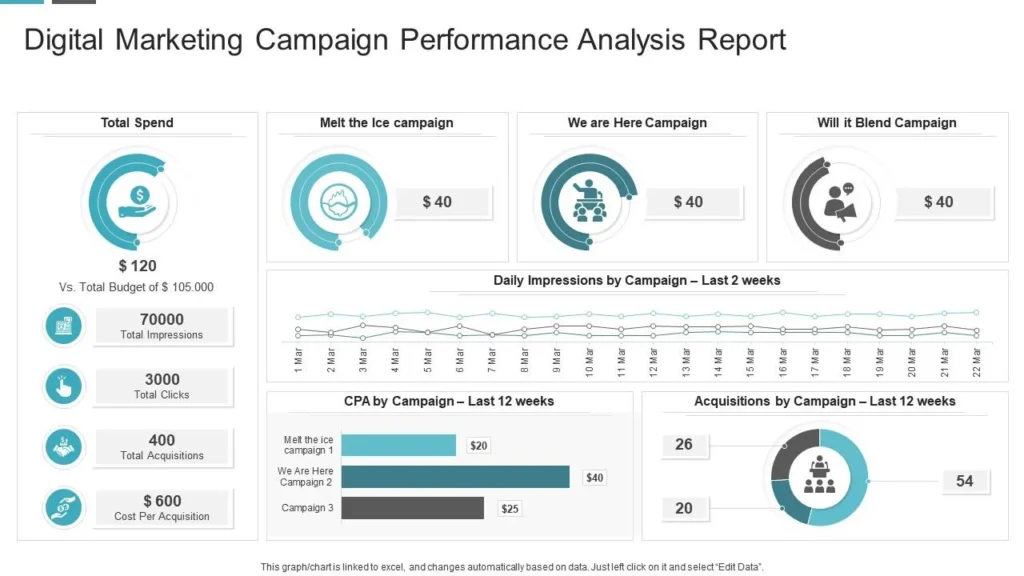
How Much Does It Cost to Hire an Advertising Agency in California?
The cost of hiring an advertising agency in California varies widely based on business size, campaign scope, and the level of expertise required. There is no single standard price, but understanding common cost structures helps businesses set realistic expectations and avoid misalignment early in the process.
For small businesses, agency costs are usually lower but more focused. These companies often require targeted campaigns, limited platforms, and clear short-term goals. Agencies working with smaller budgets typically offer simplified service packages, lean execution, and tighter timelines. Costs in this range reflect narrower scope rather than lower quality, provided expectations are clearly defined and performance metrics are realistic.
Mid-size companies generally invest more consistently in advertising. Their campaigns often involve multiple channels, ongoing optimization, and creative testing. Agencies serving this segment balance performance tracking with brand consistency. Pricing reflects the need for dedicated account management, reporting depth, and creative support. This level is common among growing companies that want predictable lead flow and scalable advertising systems without enterprise-level overhead.
Enterprise brands operate at a much larger scale. Their advertising budgets account for regional or national reach, advanced media planning, compliance requirements, and long-term brand management. Agencies working at this level provide strategic oversight, cross-channel integration, and custom reporting. Costs are higher due to complexity, team size, and the expectation of measurable impact across large markets.
Pricing models also vary by engagement type. Retainer-based pricing is common for ongoing campaign management and strategic support. Project-based pricing is often used for specific launches, creative development, or short-term initiatives. Performance-based pricing ties fees to results such as leads or conversions, but it usually requires strict tracking systems and clearly defined success criteria.
Understanding these cost structures allows businesses to evaluate proposals based on value, scope, and alignment rather than headline price alone.
Common Mistakes Businesses Make When Hiring an Advertising Agency
One of the most common mistakes businesses make is focusing only on price. Choosing an agency solely because it offers the lowest cost often leads to limited strategy, reduced attention, or unrealistic expectations. Advertising effectiveness depends on planning, execution, and optimization. When pricing is the only decision factor, quality and accountability usually suffer.
Another frequent error is chasing big-name agencies without evaluating fit. Well-known agencies may have strong reputations, but their processes, pricing structures, and client priorities are often designed for large enterprises. Smaller or mid-sized businesses can struggle to receive adequate attention or flexibility within these environments. Reputation alone does not guarantee alignment with business size, goals, or working style.
Lack of clearly defined goals also causes problems. Businesses sometimes approach agencies with vague objectives such as increasing visibility or driving growth without specifying timelines, target audiences, or success metrics. Without clarity, agencies cannot design effective strategies, and performance becomes difficult to measure. Clear goals help both sides stay aligned and accountable.
Signing contracts without fully understanding terms is another costly mistake. Long commitments, unclear deliverables, vague performance clauses, and unclear data ownership can limit flexibility and create disputes later. Businesses should review agreements carefully, ask questions, and ensure they understand scope, reporting standards, and exit conditions before committing to any partnership.
FAQs About Advertising Agencies in California
Businesses evaluating an advertising agency in California often have practical concerns related to industry fit, pricing, timelines, and necessity. The answers below address those considerations clearly.
What industries do California advertising agencies serve?
Most agencies in California work across multiple industries, including technology, healthcare, real estate, e-commerce, hospitality, automotive, and professional services. Some agencies specialize in specific sectors where regulatory knowledge or deep audience insight is required. Industry alignment can improve strategy accuracy and reduce the learning curve at the start of a campaign.
Are California advertising agencies expensive?
Costs vary depending on scope, agency size, and campaign complexity. While California has higher operating costs compared to many other states, pricing reflects access to experienced talent, competitive media markets, and advanced tools. Businesses should evaluate value, reporting standards, and strategic depth rather than comparing fees alone.
How long before results are visible?
Paid advertising campaigns often generate early data within the first few weeks. However, meaningful performance improvements typically require consistent testing, optimization, and budget calibration over several months. Realistic timelines depend on competition, industry, and campaign objectives.
Do small businesses need an advertising agency?
Not every small business requires an agency, but those lacking in-house expertise or time often benefit from structured campaign management. Agencies provide strategy, execution, and performance oversight that can prevent costly trial-and-error experimentation.
Conclusion
California’s advertising landscape offers access to some of the most advanced creative, strategic, and performance-driven agencies in the world. At the same time, the scale and competition of this market require businesses to approach agency selection with clarity and realism. Understanding how agencies differ, what services they provide, how pricing works, and which factors truly influence results allows decision-makers to avoid common mistakes and focus on long-term value.
The most effective partnerships are built on alignment rather than reputation alone. When goals are clearly defined, expectations are realistic, and transparency is prioritized, agencies become strategic collaborators rather than external vendors. Whether a business is launching a new campaign, entering a competitive market, or refining its advertising approach, informed evaluation leads to stronger outcomes.
Taking time to assess fit, capability, and communication style helps ensure that advertising efforts support sustainable growth instead of short-term experimentation. Businesses that invest in understanding the process are better positioned to make confident decisions and build partnerships that evolve as their needs change.